
The Future is Now: ACORCA-COARCA launches a new era of Abortion Research and Advocacy

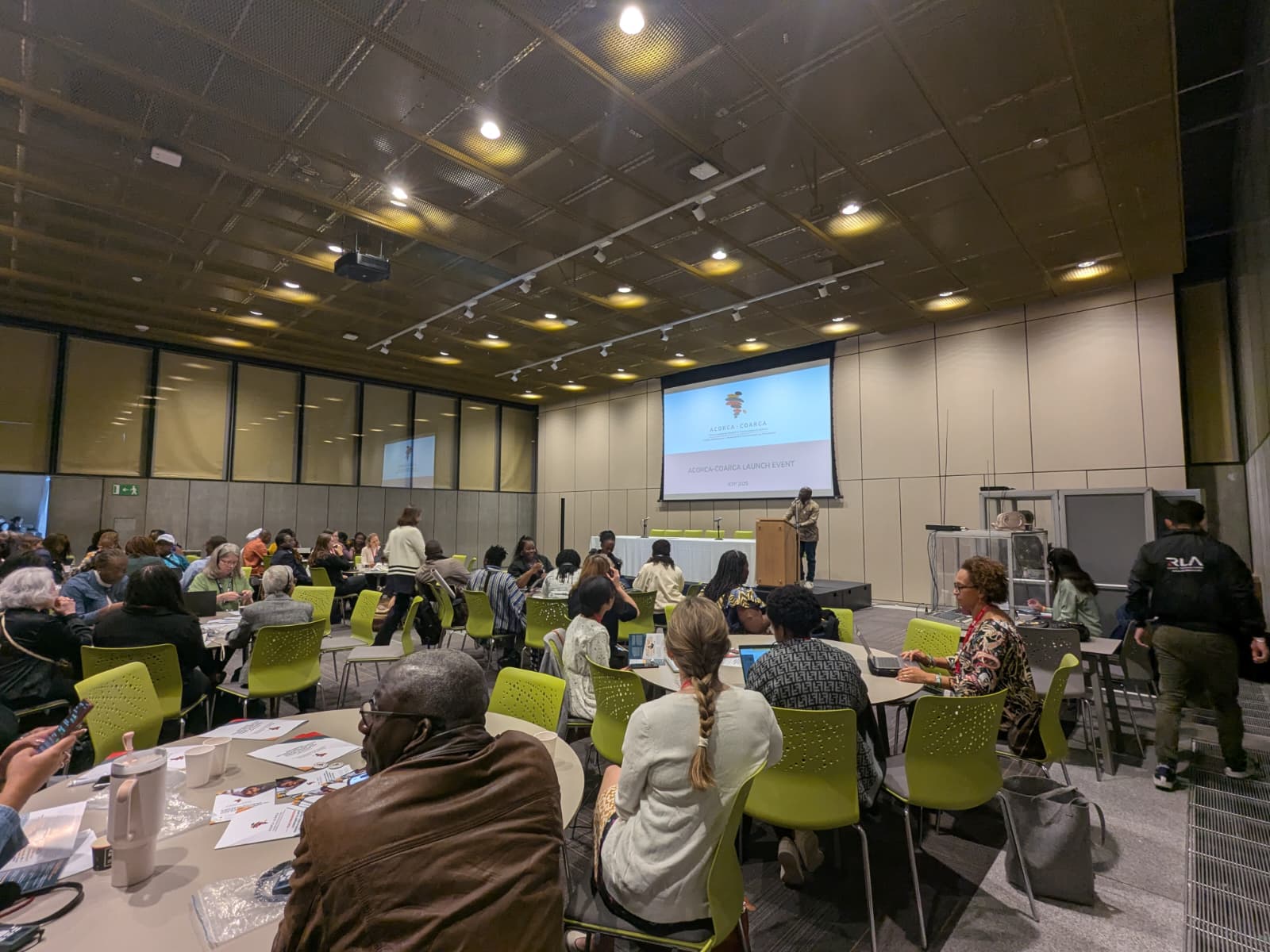
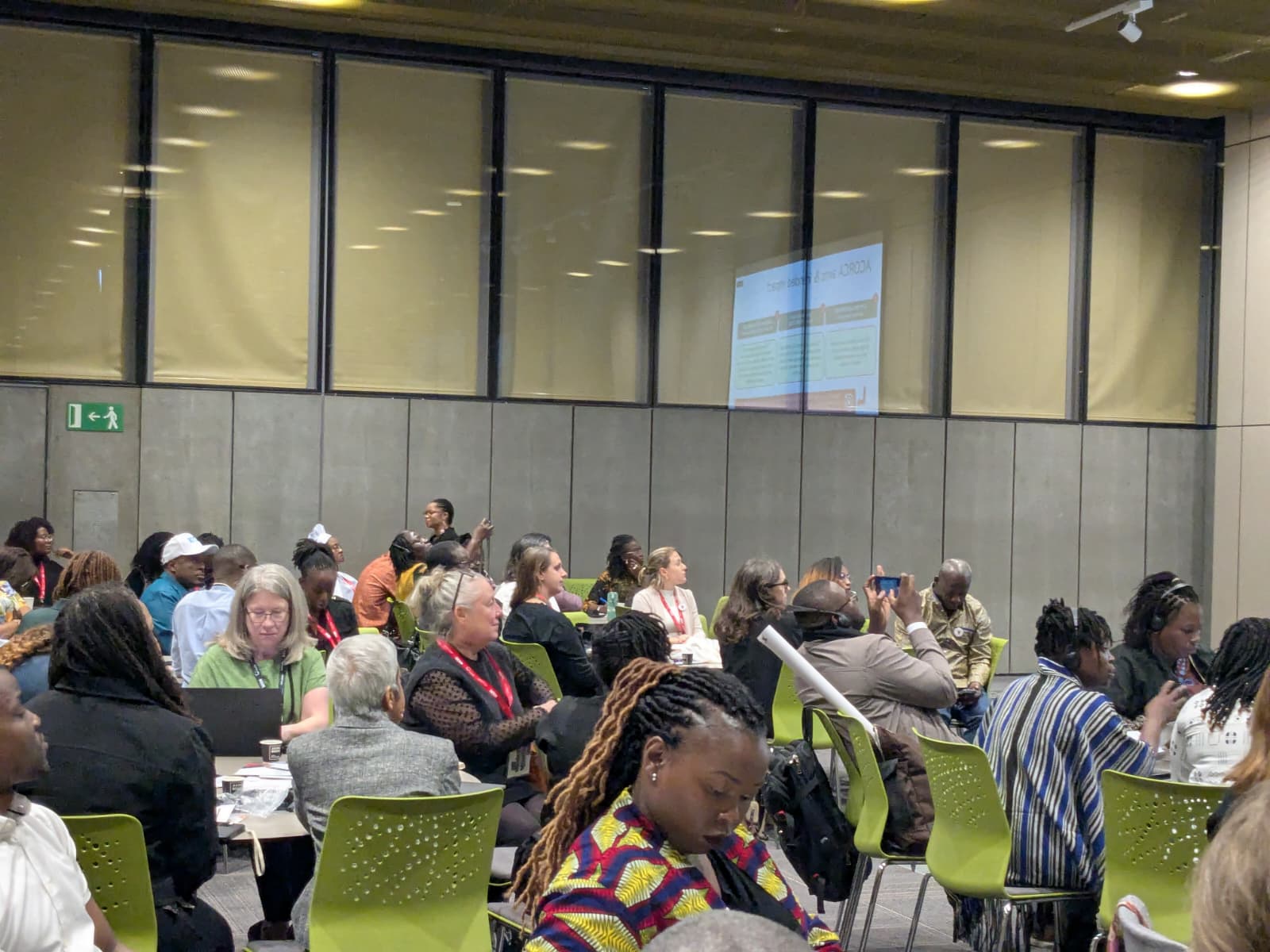
Experts, advocates, researchers, and partners from across Africa and the world gathered on 4 November 2025 at the International Conference on Family Planning (ICFP) to launch the African Coalition for Research and Communication on Abortion (ACORCA‑COARCA). The coalition represents a new force for African‑led evidence and communication on abortion, supporting ongoing efforts to expand safe abortion access across the continent.
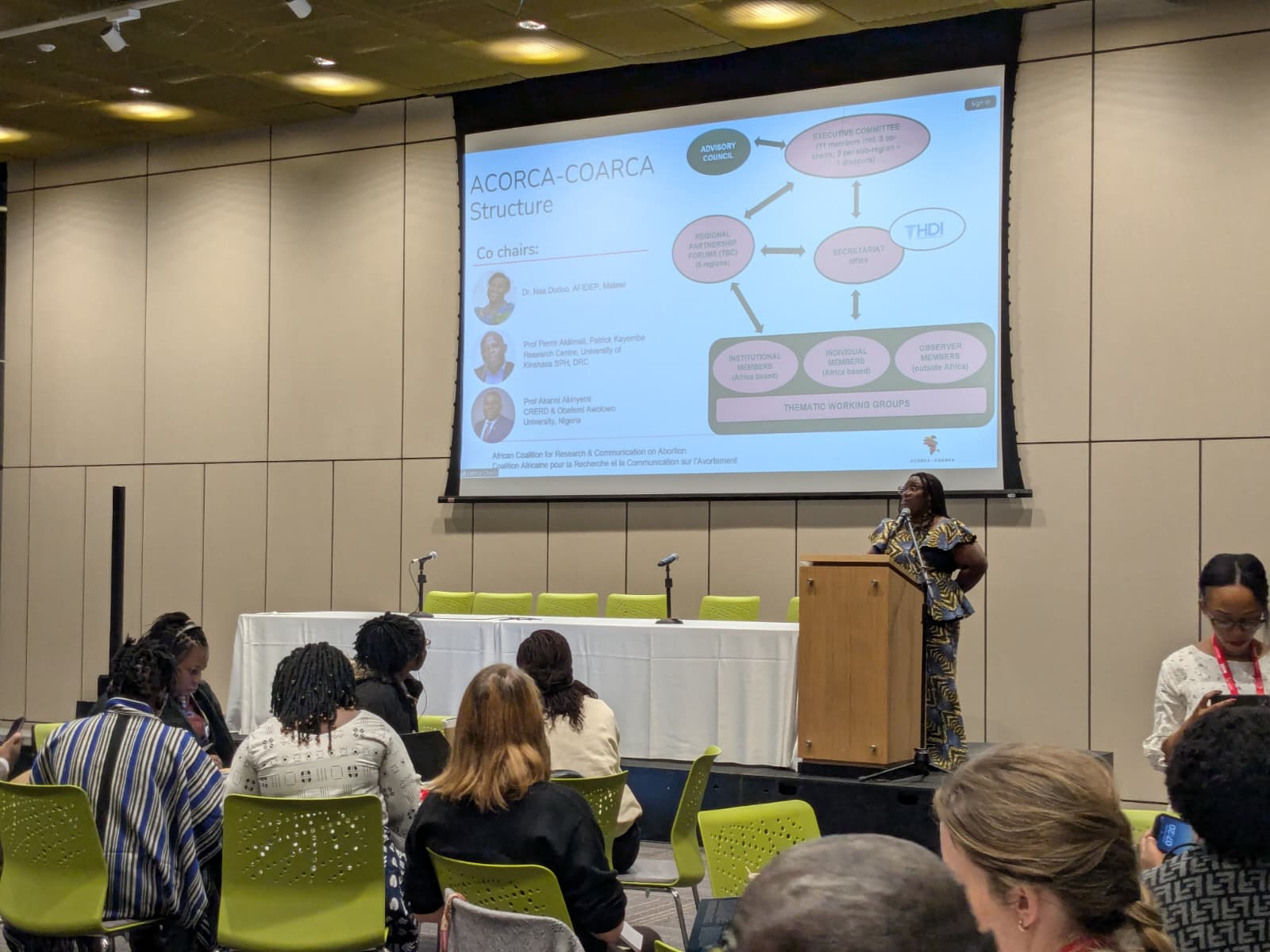
Dr. Naa Dodoo, co‑chair of ACORCA, opened the event by describing the coalition as a growing network of research, advocacy, and policy institutions across Africa. Formed in late 2024, ACORCA brings together stakeholders from multiple fields, united by a shared goal: “to produce and communicate high-quality evidence on abortion, inform policy, and support better practice.” She explained that the coalition was created to close persistent gaps in how abortion research is produced, shared, and used.
“We want to produce and communicate high-quality evidence on abortion, inform policy and support better practices,” she said.
More fundamentally, she emphasized that ACORCA is about shifting power.
“Most of our research work has been driven by Western agendas. It is time to shift the power of ownership, leadership, and even deciding which questions are most important to African Researchers,” she added.
Dr. Dodoo highlighted a long‑standing challenge: research generated in Africa often remains unused. “Research for many institutions in Africa ends up on the shelves of universities and academic spaces, never reaching policy makers or advocates who can use it,” she said. ACORCA is therefore designed as a full pipeline—from research production to advocacy and policy engagement.
“We want evidence that is produced, used and able to change the landscape of abortion research and practice in Africa.”
Dr. Onikepe Owolabi, Vice President for International Research at the Guttmacher Institute, followed with remarks that blended urgency and pride. She reminded the audience that ACORCA represents a historic shift in who leads Africa’s reproductive justice agenda. “We live in these experiences,” she said. “We hear the questions in our communities every day—friends, neighbors, and young girls who whisper their fears because they don’t know where to turn. We have seen women lose their lives after turning to unsafe abortion—not by choice, but because safe care was either not accessible or acceptable where they lived.”
“No one can speak for African women better than African researchers who live these realities, understand our political landscapes, and know how to shape messages that resonate with our communities and leaders,” she added. She also spoke to the stigma surrounding abortion research. “We need this coalition because, like many of my friends have said, we understand the stigmatization that comes with working on a topic like abortion, and we need to strengthen and give each other the tools we actually need to be able to develop the studies that can drive change across the continent.”
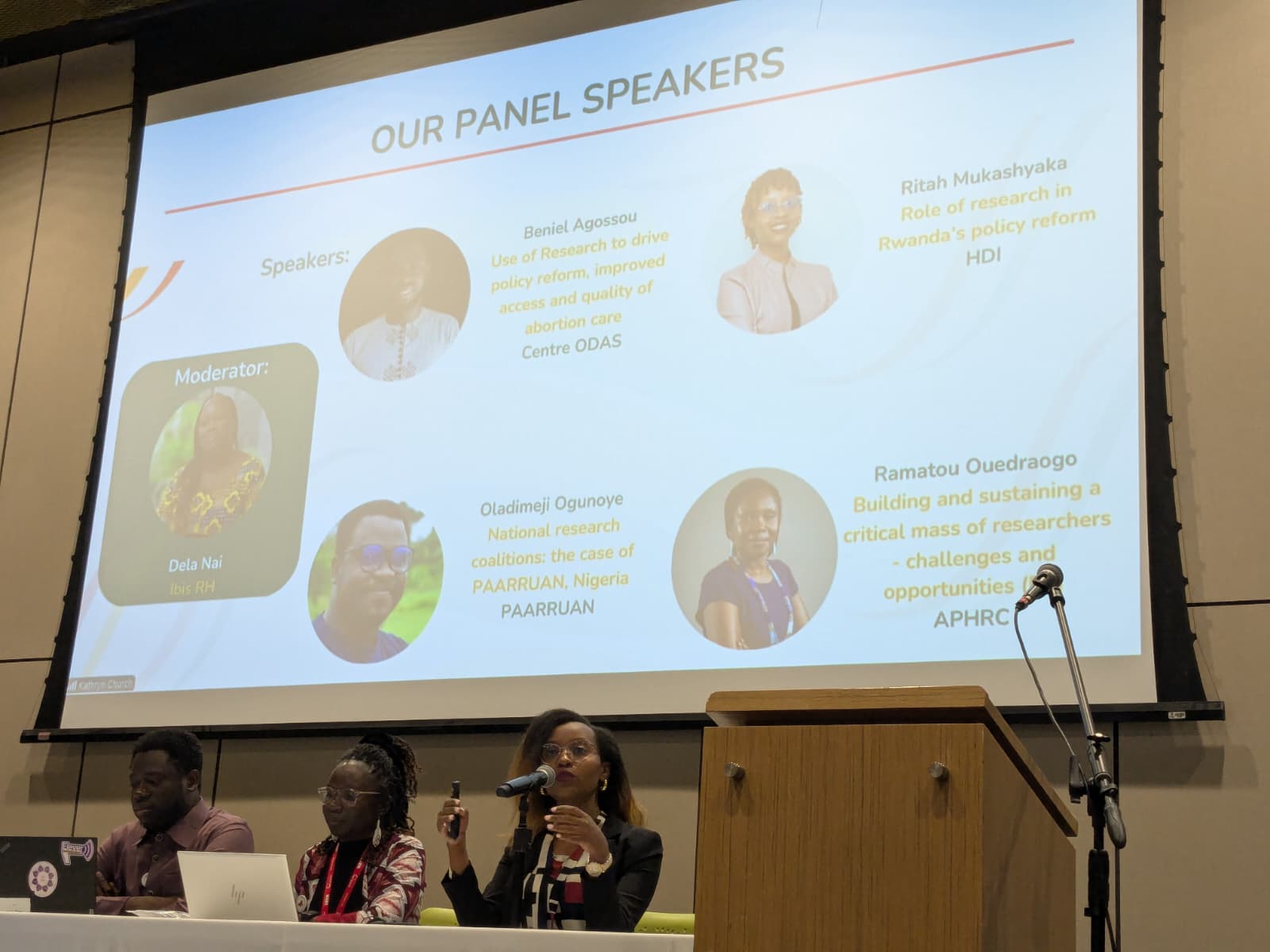
Dr. Beniel Agossou of Le Centre ODAS, a founding member of ACORCA, joined the panel to reflect on the continent’s current reality. He welcomed the presence of researchers, advocates, and donors, saying, “I am particularly pleased to not only see the researchers in the room but also advocates and donors.” He described Africa as facing a quiet but devastating crisis: high levels of unwanted pregnancy, the world’s highest prevalence of unsafe abortion, and a lack of data to show the scale of the problem. “And even the little we have,” he said, “is not always used.”
For Dr. Agossou, the cost of this gap is measured in lives lost and suffering ignored. When data is missing, he explained, reforms stall, funding slows, and entire stories remain invisible. He argued that ACORCA represents not only a coalition but a claim to scientific sovereignty, reproductive justice, and policymaking rooted in African women’s lived experiences. He urged advocates to use data strategically: “Now more than ever, we must use data in our advocacy, our campaigns, and our dialogues with decision makers.” He closed with calls to governments to invest in researchers and integrate abortion data into routine systems, to donors to support African researchers through long‑term models, and to the coalition itself to recognize that its work is only beginning.
As the launch concluded, Ms. Jewelle Methazia of Ibis Reproductive Health South Africa spoke about ACORCA’s membership model. She emphasized that the coalition is building a broad, diverse network that reflects the continent it serves, welcoming African institutions, individual researchers, and partners outside the region. “We’ve tried to make the space accessible to everyone doing this work,” she said, noting that fees are intentionally low and can be waived to reduce barriers.
ACORCA’s launch marked more than the creation of a new network—it signaled a collective reclaiming of knowledge, narrative power, and the right for African‑generated evidence to guide future research and policy. Even at its launch, the movement was already in motion.
Leave a comment